NVIDIA GeForce RTX 5080 vs NVIDIA GeForce RTX 4080 SUPER for AI
A head-to-head comparison of specs, pricing, and real-world AI performance to help you pick the right hardware.
We earn commissions when you shop through the links below.
Quick Verdict
The NVIDIA GeForce RTX 5080 is the better performer but costs more. Choose it if you need top-tier AI performance and can justify the price premium. The NVIDIA GeForce RTX 4080 SUPER delivers solid value at a lower price point and is the smarter pick for budget-conscious buyers.
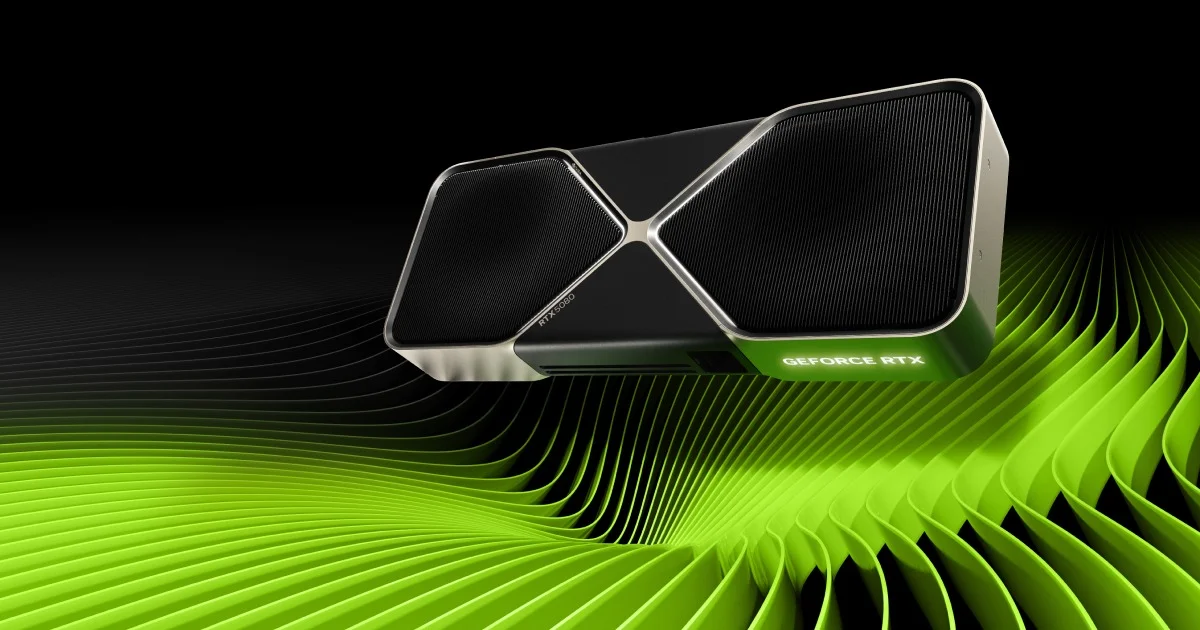
NVIDIA GeForce RTX 5080
$999 – $1,099
The Blackwell mid-range powerhouse for local AI. 16GB GDDR7 with 10,752 CUDA cores delivers strong performance for 13B–30B parameter models at a significantly lower price than the RTX 5090 — the best price/performance option for most AI workloads in 2026.
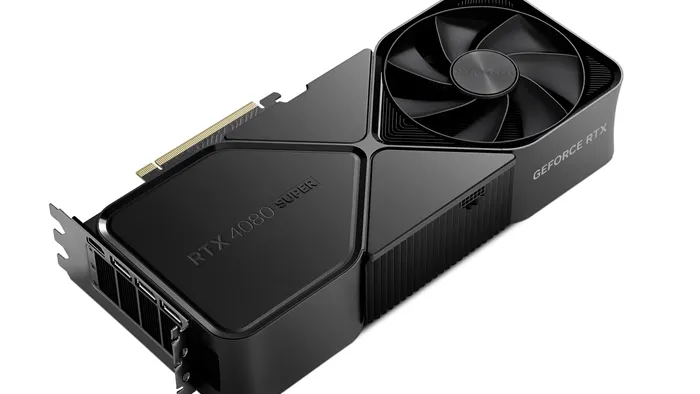
NVIDIA GeForce RTX 4080 SUPER
$949 – $1,099
The sweet spot for AI on a budget. 16GB GDDR6X handles most 7B–13B parameter models for inference and fine-tuning, with excellent power efficiency under $1,100.
Specs Comparison
| Spec | NVIDIA GeForce RTX 5080 | NVIDIA GeForce RTX 4080 SUPER |
|---|---|---|
| Price | $999 – $1,099 | $949 – $1,099 |
| VRAM | 16GB GDDR7 | 16GB GDDR6X |
| CUDA Cores | 10,752 | 10,240 |
| Memory Bandwidth | 960 GB/s | 736 GB/s |
| TDP | 360W | 320W |
| Interface | PCIe 5.0 x16 | PCIe 4.0 x16 |
AI Benchmarks
Community-reported figures — see sources for methodology. Results may vary by system configuration.
| Benchmark | NVIDIA GeForce RTX 5080 | NVIDIA GeForce RTX 4080 SUPER |
|---|---|---|
| Llama 3 8B (Q4) | 72 tok/s | 52 tok/s |
| Stable Diffusion XL | 10.1 it/s | 6.8 it/s |
NVIDIA GeForce RTX 5080
Pros
- +Strong 16GB GDDR7 for 13B–30B parameter models
- +Blackwell architecture with 5th-gen tensor cores
- +More affordable than RTX 5090 with great price/performance
- +Good power efficiency vs performance
Cons
- -Only 16GB VRAM — can't run 70B models without heavy quantization
- -Hard to find at MSRP
- -No VRAM upgrade path
NVIDIA GeForce RTX 4080 SUPER
Pros
- +Strong price-to-performance for AI inference
- +Lower power draw than RTX 4090
- +Fits standard ATX cases easily
Cons
- -16GB VRAM limits larger model support
- -Not ideal for training large models
- -Previous-gen Ada Lovelace architecture
Where to Buy
Related Articles
comparison
RTX 5080 vs RTX 4090 for AI in 2026: Is the Upgrade Worth It?
Detailed comparison of the NVIDIA RTX 5080 and RTX 4090 for AI workloads. Benchmarks, VRAM analysis, bandwidth comparison, and a clear recommendation for LLM inference and Stable Diffusion.
comparison
RTX 5060 Ti 16GB vs RTX 5070 Ti for Local AI: Which 16GB Blackwell GPU Should You Buy in 2026?
Both GPUs share 16GB GDDR7 VRAM, but the RTX 5070 Ti delivers 2–2.5× more tokens per second for roughly 2.5× the street price. We break down real AI benchmarks, cost-per-token analysis, and exactly who should buy which card.
guide
Running Google Gemma 4 Locally: Complete Hardware Guide (2026)
Gemma 4 ships in four model sizes under Apache 2.0. Here's exactly which GPU, Mac, or edge device you need to run every variant locally — from the 2B edge model to 31B Dense — with VRAM tables, benchmarks, budget tiers, and setup instructions.