NVIDIA GeForce RTX 5090 vs NVIDIA GeForce RTX 5080 for AI
A head-to-head comparison of specs, pricing, and real-world AI performance to help you pick the right hardware.
Disclosure: Some links on this page are affiliate links. We may earn a commission if you make a purchase — at no extra cost to you.
Quick Verdict
Both the NVIDIA GeForce RTX 5090 and NVIDIA GeForce RTX 5080 are strong contenders for AI workloads. Your choice should come down to specific workload requirements, budget, and ecosystem preferences. Check the specs comparison below to find the best fit.
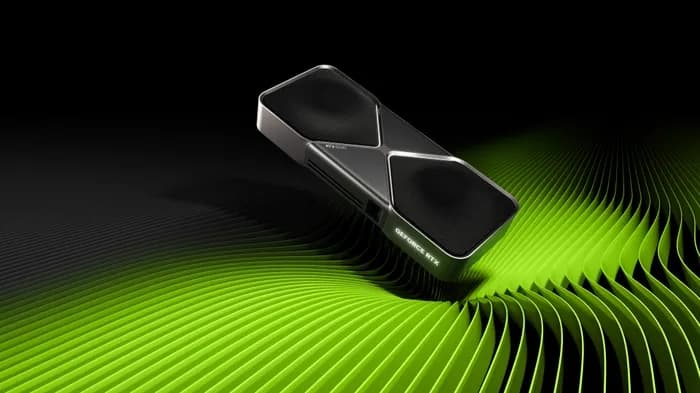
NVIDIA GeForce RTX 5090
$1,999 – $2,199
The most powerful consumer GPU for AI in 2026. 32GB GDDR7 with Blackwell architecture and 5th-gen tensor cores — runs 70B+ parameter models locally with unprecedented speed.
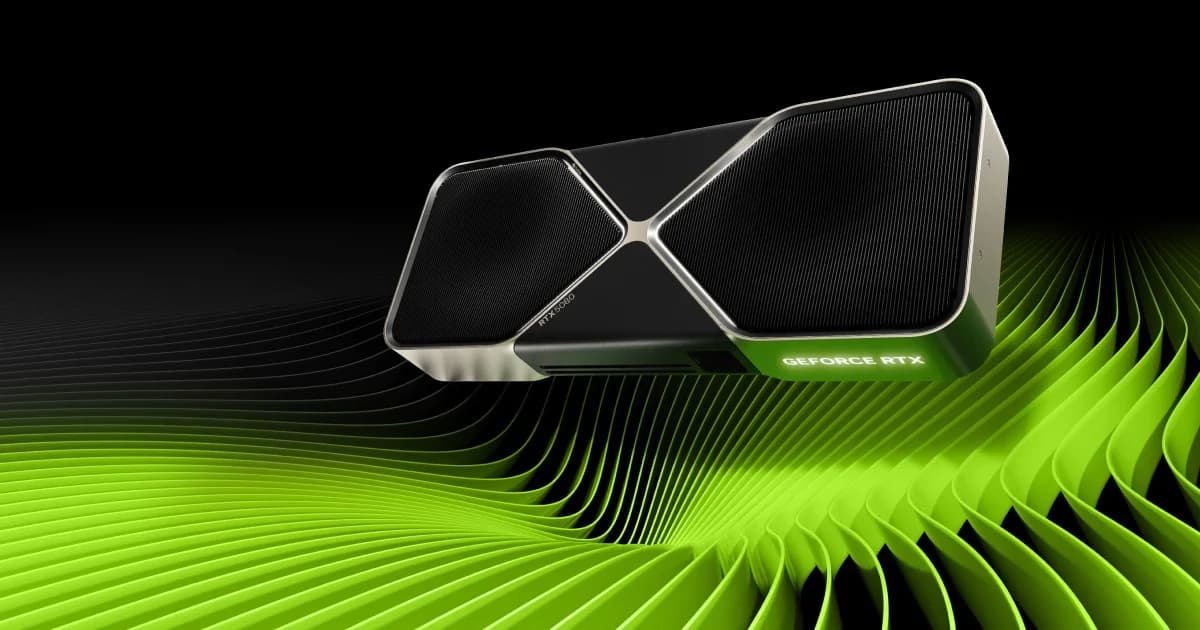
NVIDIA GeForce RTX 5080
$999 – $1,099
The Blackwell mid-range powerhouse for local AI. 16GB GDDR7 with 10,752 CUDA cores delivers strong performance for 13B–30B parameter models at a significantly lower price than the RTX 5090 — the best price/performance option for most AI workloads in 2026.
Specs Comparison
| Spec | NVIDIA GeForce RTX 5090 | NVIDIA GeForce RTX 5080 |
|---|---|---|
| Price | $1,999 – $2,199 | $999 – $1,099 |
| VRAM | 32GB GDDR7 | 16GB GDDR7 |
| CUDA Cores | 21,760 | 10,752 |
| Memory Bandwidth | 1,792 GB/s | 960 GB/s |
| TDP | 575W | 360W |
| Interface | PCIe 5.0 x16 | PCIe 5.0 x16 |
AI Benchmarks
Community-reported figures — see sources for methodology. Results may vary by system configuration.
| Benchmark | NVIDIA GeForce RTX 5090 | NVIDIA GeForce RTX 5080 |
|---|---|---|
| Llama 3.1 8B (Q4_K_M, llamafile) | 66.3 tok/s | — |
| Stable Diffusion XL | 12.5 it/s | 10.1 it/s |
| Llama 3 8B (Q4) | — | 72 tok/s |
NVIDIA GeForce RTX 5090
Pros
- +32GB VRAM handles the largest consumer AI workloads
- +Blackwell architecture with 5th-gen tensor cores
- +PCIe 5.0 for maximum data throughput
Cons
- -Very high power consumption (575W)
- -Requires 1000W+ PSU and robust cooling
- -Premium launch pricing
NVIDIA GeForce RTX 5080
Pros
- +Strong 16GB GDDR7 for 13B–30B parameter models
- +Blackwell architecture with 5th-gen tensor cores
- +More affordable than RTX 5090 with great price/performance
- +Good power efficiency vs performance
Cons
- -Only 16GB VRAM — can't run 70B models without heavy quantization
- -Hard to find at MSRP
- -No VRAM upgrade path
Where to Buy
Related Articles
guide
Best GPU for AI in 2026: Complete Buyer's Guide (Tested & Ranked)
We benchmarked every major GPU for AI inference, training, and image generation. RTX 5090, RTX 4090, RTX 3090, A100, H100, and MI300X — ranked with real-world tokens/sec data, VRAM analysis, and price/performance ratios for every budget.
comparison
AMD vs NVIDIA for AI: Which GPU Should You Buy in 2026?
A deep-dive comparison of AMD and NVIDIA GPUs for AI workloads in 2026 — ROCm vs CUDA software ecosystems, datacenter and consumer hardware head-to-head, price/performance analysis, and clear recommendations for every budget.
guide
How Much VRAM Do You Need for AI in 2026?
A practical guide to GPU memory requirements for every AI workload — LLM inference, training, image generation, and video. Includes a complete VRAM lookup table by model and quantization level, plus hardware recommendations.