Used RTX 3090 vs RTX 5070 Ti for Local AI: 24GB Old vs 16GB New in 2026
A used RTX 3090 gives you 24GB of VRAM — often for less than a new 16GB RTX 5070 Ti. We compare model-fit, bandwidth, efficiency, and the warranty question to decide which is the smarter local-AI buy.
Compute Market Team
Our Top Pick
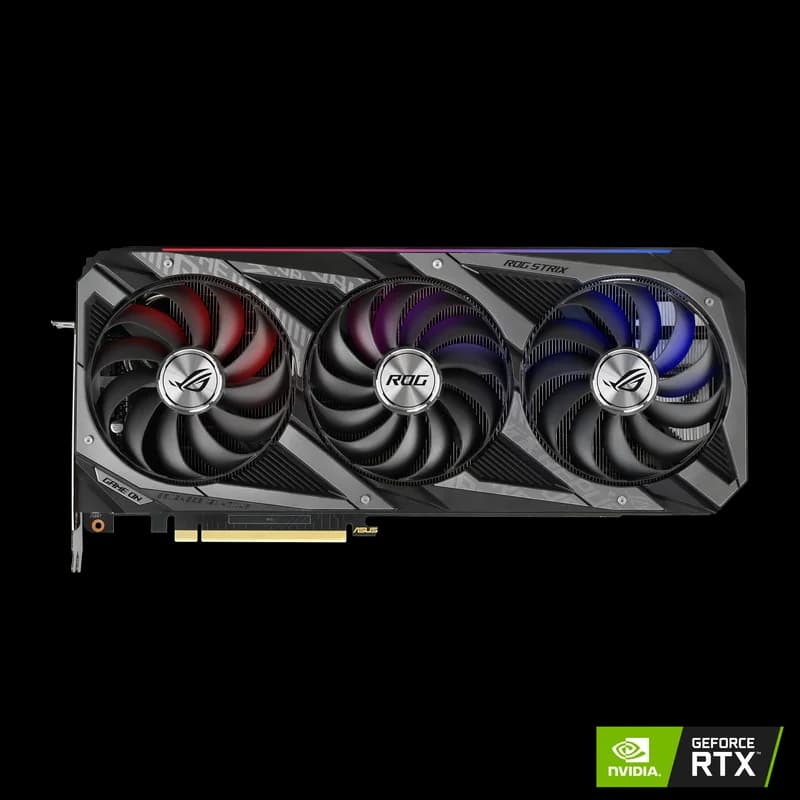
Quick Answer
Buy the used RTX 3090 for maximum VRAM per dollar; buy the RTX 5070 Ti for efficiency, current-gen features, and a warranty. The used RTX 3090 ($699–$999) has 24GB of GDDR6X and 936 GB/s of bandwidth — it fits bigger models than 16GB, often for less money. The RTX 5070 Ti ($1,049–$1,299) has 16GB GDDR7, 896 GB/s, Blackwell FP4 tensor cores, lower 300W power, and a warranty. If model-fit is your goal and you'll buy used, the 3090's 24GB wins; if you want new-gen efficiency and support, the 5070 Ti wins.
This is the classic local-AI value question: pay less for more VRAM on older silicon, or pay more for less VRAM on newer silicon? A used RTX 3090 puts 24GB of memory in your rig — more than the RTX 5070 Ti's 16GB — frequently at a lower price. For anyone whose bottleneck is fitting the model at all, that extra 8GB is tempting.
But VRAM isn't the only axis. The 5070 Ti brings Blackwell architecture, FP4 tensor cores, better performance-per-watt, and the safety net of a warranty. This guide weighs the 3090's capacity against the 5070 Ti's modernity so you can pick the one that fits your models and your risk tolerance.
The used-3090 route is a proven pattern for our readers — see our used RTX 3090 vs RTX 5060 Ti comparison for the budget-tier version of this same trade-off.
Used RTX 3090 vs RTX 5070 Ti — Specs at a Glance
Different generations, similar bandwidth, opposite strengths: capacity on one side, efficiency and features on the other.
| Spec | RTX 3090 (used) | RTX 5070 Ti |
|---|---|---|
| VRAM | 24GB GDDR6X | 16GB GDDR7 |
| CUDA Cores | 10,496 | 8,960 |
| Memory Bandwidth | 936 GB/s | 896 GB/s |
| Architecture | Ampere (no FP4) | Blackwell (FP4 tensor cores) |
| TDP | 350W | 300W |
| Interface | PCIe 4.0 x16 | PCIe 5.0 x16 |
| Warranty | None (used) | Yes (new) |
| Price | $699–$999 (used) | $1,049–$1,299 |
Specs and pricing from our product catalog. Used 3090 prices and condition vary by seller.
What the 3090's 24GB Buys You
VRAM is a hard ceiling, and 24GB versus 16GB is a real, usable gap:
- 7B–14B models: Both cards run these well. Here the 3090's extra memory mostly becomes context and batch headroom rather than a new capability.
- 30B–32B models: The 3090's 24GB holds these more gracefully at Q4, where the 16GB 5070 Ti must quantize harder or offload to system RAM — slower and sometimes lower quality.
- Long context & larger batches: Context and concurrency consume memory on top of the weights, so the 3090's headroom keeps longer documents and multi-request workloads on the GPU.
- 70B models: Out of reach for both without heavy compression — 24GB helps but isn't enough. For that, see the 32GB and unified-memory paths below.
Chasing the cheapest big-VRAM card? Our cheapest 32GB GPU for local LLMs guide and VRAM guide put the 3090's 24GB in context against the alternatives.
Speed, Efficiency, and the FP4 Question
The bandwidth gap is small — 936 GB/s (3090) vs 896 GB/s (5070 Ti) — so on models both cards fit, token generation is closer than the four-year gap between them implies. Where the 5070 Ti separates itself is efficiency and features: Blackwell's FP4 tensor cores, better performance-per-watt, and a lower 300W draw versus the 3090's 350W of hot GDDR6X. If you care about your power bill, thermals, or FP4-optimized workloads, the newer card is the calmer machine to live with.
Exact tokens-per-second vary by model, quantization, and runtime (llama.cpp, vLLM, Ollama); treat any single figure as directional rather than a guarantee.
The Used-Card Risk
A used RTX 3090 carries the usual second-hand caveats: no warranty, unknown history (gaming or mining wear), and hot-running GDDR6X that makes card condition and cooling matter. Buy from a reputable seller, test if you can, and factor in that you're trading the 5070 Ti's warranty for capacity. For many builders the savings justify it — but it's a real risk, not a free lunch.
If You Really Need Bigger Models
If 30B+ models are your actual target, neither of these is the end state. The 32GB RTX 5090 loads them cleanly, and unified-memory boxes like the Strix Halo or Mac Studio trade speed for far more capacity. The RTX 5080 is also worth a look if you want new-gen features with a bit more compute than the 5070 Ti — see our RTX 5070 Ti vs RTX 5080 comparison.
The Verdict — Who Should Buy Which
Buy the used RTX 3090 if your goal is maximum VRAM per dollar, you run 30B-class models or want generous context headroom, and you're comfortable buying used from a trustworthy seller. Its 24GB fits things the 5070 Ti can't, often for less money.
Buy the RTX 5070 Ti if you want to buy new with a warranty, value Blackwell efficiency and FP4 support, run mostly 7B–14B models where 16GB is plenty, or simply don't want the uncertainty of a used card. It's the safer, more efficient long-term machine.
Still deciding? Compare either against the rest of the market in our best GPU for AI guide, or size your memory needs first with the VRAM guide.
Frequently Asked Questions
Is a used RTX 3090 better than an RTX 5070 Ti for local AI?
It depends on what you value. The used RTX 3090's 24GB of VRAM fits bigger models and longer context than the RTX 5070 Ti's 16GB — that's the 3090's whole argument, and it often costs less ($699–$999 used vs $1,049–$1,299 for the 5070 Ti at street). The 5070 Ti answers with newer Blackwell architecture, FP4 tensor cores, better performance-per-watt (300W vs 350W), and a warranty. For maximum VRAM per dollar, the 3090 wins; for efficiency, current-gen features, and buying new, the 5070 Ti wins.
How much VRAM do you need, and does the 3090's 24GB matter over 16GB?
It matters when your models don't fit in 16GB. The 3090's 24GB comfortably loads 7B–14B models with lots of context headroom and can hold 30B-class models at Q4 more gracefully than a 16GB card, which has to quantize harder or offload. If you only run 7B–14B models, the extra 8GB sits mostly idle and the 5070 Ti gives a very similar experience. Buy the 24GB for model-fit, not for speed.
Is the RTX 5070 Ti faster than a used RTX 3090?
Their memory bandwidth is nearly identical — 896 GB/s on the 5070 Ti versus 936 GB/s on the 3090 — and since local LLM inference is largely bandwidth-bound, raw token generation is closer than the generation gap suggests. The 5070 Ti pulls ahead on newer-architecture efficiency, FP4 support, and lower power draw rather than a large bandwidth lead. On models that fit both cards' memory, expect comparable throughput.
What are the risks of buying a used RTX 3090 for AI?
The main risks are no manufacturer warranty, unknown wear (many 3090s were used for gaming or mining), older Ampere architecture with no FP4 tensor cores, and higher power draw per unit of work than Blackwell. GDDR6X on the 3090 also runs hot, so cooling and card condition matter. If you buy from a reputable seller and can test the card, the 24GB-for-less value is real — just weigh it against the peace of mind a new 5070 Ti's warranty brings.
Which should I buy if I want to run 30B or 70B models?
Neither is ideal for 70B — that needs 40GB+ at usable quantization, which is out of reach for both a 24GB and a 16GB card without heavy compression or offload. For 30B-class models the 3090's 24GB is the more comfortable of the two. If large models are your real goal, look instead at the 32GB RTX 5090 or a unified-memory box like the Strix Halo or DGX Spark, which we cover in separate guides.